


When homeowners plan renovations or upgrades, they often focus on appearance, price, and current design trends. While these factors matter, one of the most important considerations is often overlooked: climate.
The environment around your home directly affects how building materials perform, how much energy your house consumes, how frequently repairs are needed, and how comfortable your living space feels throughout the year.
A material that works perfectly in a dry and cool region may fail quickly in a humid or extremely hot area. Similarly, a home design that reduces energy costs in one climate may create problems somewhere else.
Understanding how climate influences home improvement decisions helps homeowners choose better materials, smarter designs, and long-lasting solutions that match their local conditions.
Why Climate Matters in Home Improvement
Every home faces environmental challenges. These challenges may include:
- Extreme heat
- Heavy rainfall
- High humidity
- Strong winds
- Freezing temperatures
- Intense sunlight
- Coastal salt exposure
- Seasonal temperature changes
Over time, these conditions affect almost every part of a property, including roofing, walls, flooring, windows, electrical systems, and outdoor spaces.
Climate-aware improvements are not just about preventing damage. They also improve energy efficiency, reduce maintenance costs, and increase the overall lifespan of your home.
Consider Your Local Weather Patterns First
Before choosing materials or planning renovations, understand the climate conditions in your area.
Important factors include:
- Average temperatures throughout the year
- Rainfall levels
- Humidity levels
- Wind exposure
- Sun intensity
- Seasonal changes
For example, a homeowner in a hot region may need solutions that reduce heat absorption, while someone in a cold climate may prioritize insulation and heat retention.
The right improvement strategy starts with understanding the challenges your home faces every day.
Roofing Choices Should Match the Climate
The roof is one of the most exposed parts of any home, making climate suitability extremely important.
In hot climates, roofing materials should help reduce heat buildup. Reflective surfaces, lighter colors, and materials designed for high temperatures can improve indoor comfort.
In rainy regions, roofs need strong water resistance and proper drainage systems to prevent leaks and moisture damage.
In areas with heavy snowfall or strong winds, roofing systems must be designed to handle additional weight and pressure.
Choosing a roof based only on appearance can lead to expensive repairs later.
Windows Play a Major Role in Climate Control
Windows affect how much heat, cold, and sunlight enter your home.
In warm climates:
- Energy-efficient glass can reduce heat gain.
- Proper window shading can prevent excessive sunlight.
- Quality seals help keep indoor temperatures stable.
In colder climates:
- Double or triple glazing can reduce heat loss.
- Insulated frames improve efficiency.
- Proper installation prevents drafts.
Windows are not simply decorative features. They are an important part of your home’s energy performance.
Choose Exterior Materials Carefully
Exterior materials must handle the weather conditions they experience every day.
For humid environments, materials should resist:
- Mold growth
- Water absorption
- Rotting
- Corrosion
For hot and sunny areas, materials should tolerate:
- UV exposure
- Temperature expansion
- Color fading
For cold regions, materials should handle:
- Freeze and thaw cycles
- Ice exposure
- Temperature movement
The best exterior products are those designed specifically for the conditions where they will be installed.
Humidity Requires Special Planning
High humidity can create serious problems inside and outside a home.
Common humidity-related issues include:
- Mold growth
- Peeling paint
- Wood damage
- Poor indoor air quality
- Condensation problems
Home improvements for humid climates often include:
- Better ventilation systems
- Moisture-resistant materials
- Proper bathroom and kitchen exhaust
- Mold-resistant paints
- Improved drainage around the property
Controlling moisture early prevents larger structural problems.
Insulation Is Important in Every Climate
Many homeowners associate insulation only with cold weather, but insulation benefits homes in almost every region.
In hot climates, insulation slows down heat entering the home.
In cold climates, insulation helps keep warm air inside.
Good insulation improves:
- Temperature control
- Energy efficiency
- Indoor comfort
- Noise reduction
The correct insulation type and installation method depend heavily on local climate conditions.
Flooring Selection Should Consider Environment
Flooring choices should match both lifestyle and climate.
In areas with high moisture, materials such as water-resistant tile or properly designed synthetic flooring may perform better than untreated wood.
In dry climates, hardwood and engineered wood can be excellent choices when properly maintained.
Cold regions may benefit from flooring systems that work well with heating solutions.
A beautiful floor that cannot handle local conditions may become a costly replacement project.
Outdoor Improvements Need Climate Planning
Outdoor areas experience even harsher conditions than indoor spaces.
Before building patios, decks, gardens, or outdoor structures, consider:
- Sun exposure
- Rain levels
- Temperature changes
- Soil conditions
- Wind patterns
For example, outdoor furniture and decking materials should resist the weather they will face.
A product suitable for a covered outdoor area may not survive years of direct exposure.
Energy Efficiency Depends on Climate
Energy-saving improvements should always consider local weather.
In warmer areas, homeowners may benefit from:
- Solar shading
- Reflective roofing
- Efficient cooling systems
- Improved ventilation
- Energy-efficient windows
In colder areas, priorities may include:
- Better insulation
- Efficient heating systems
- Weather sealing
- Thermal windows
The goal is not simply to buy energy-efficient products but to choose solutions that solve your specific climate challenges.
Climate Should Influence Interior Design Choices
Climate also affects indoor design decisions.
For example, homes in humid regions may require:
- Breathable materials
- Moisture-resistant furniture
- Easy-clean surfaces
Homes in colder regions may benefit from:
- Warmer flooring materials
- Better window coverings
- Insulated interior finishes
Interior choices should support comfort while working with the natural environment.
Consider Future Climate Changes
Weather patterns are changing in many parts of the world. Homeowners should consider not only current conditions but also future challenges.
Future-focused improvements may include:
- Better water management
- More durable materials
- Improved insulation
- Efficient energy systems
- Climate-resistant landscaping
Investing in resilience can help protect your property against changing environmental conditions.
Common Climate-Related Home Improvement Mistakes
Many homeowners make decisions based on appearance or cost without considering environmental factors.
Common mistakes include:
- Choosing materials unsuitable for local weather
- Ignoring moisture control
- Installing inefficient windows
- Using untreated outdoor materials
- Underestimating sunlight damage
- Skipping proper insulation
- Selecting products based only on popularity
Avoiding these mistakes can significantly improve the lifespan of home improvements.
How Professionals Use Climate Information
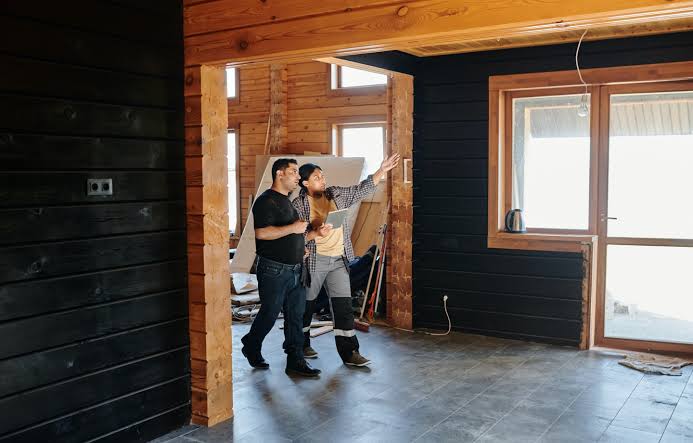
Architects, builders, and contractors often consider climate during planning.
They evaluate:
- Building orientation
- Material performance
- Ventilation needs
- Energy requirements
- Weather exposure
- Local construction practices
Working with professionals who understand local conditions can help homeowners avoid expensive design mistakes.
Final Thoughts
Climate should be one of the first factors considered in every home improvement decision. The materials you choose, the systems you install, and the designs you create should work with your environment rather than against it.
A climate-aware approach improves durability, reduces maintenance, increases energy efficiency, and creates a more comfortable living space.
Instead of choosing products only because they look attractive or cost less, consider how they will perform over years of changing weather conditions. A home designed around its climate is not only easier to maintain but also provides better long-term value for the people who live inside it.