


Buying furniture is a major investment for any home. Whether it is a sofa, dining table, bed, wardrobe, or storage cabinet, the quality of furniture directly affects comfort, appearance, durability, and long-term value. A piece of furniture may look attractive in a showroom or online listing, but its real quality depends on materials, construction methods, and attention to detail.
Many buyers focus only on design, color, or price and overlook important signs that reveal whether a product is well-made or likely to wear out quickly. Poor-quality furniture can lead to problems such as loose joints, damaged surfaces, uncomfortable use, and expensive replacements.
Learning how to inspect furniture before buying helps homeowners make better decisions and avoid wasting money. This practical guide explains the key signs of poor-quality furniture and what to check before making a purchase.
Why Furniture Quality Matters
Furniture is used every day, often for many years. A sofa supports body weight daily, a dining table handles regular meals and activities, and wardrobes are opened and closed hundreds of times.
High-quality furniture is designed to handle regular use while maintaining its structure and appearance. Low-quality furniture may look acceptable at first but often shows problems after a short period.
Quality furniture usually offers:
- Better durability
- Greater comfort
- Stronger construction
- Improved safety
- Longer lifespan
- Better overall value
Understanding quality indicators allows buyers to choose furniture based on long-term performance instead of only appearance.
Check the Furniture Material Before Buying
The material used in furniture construction is one of the biggest indicators of quality. Different materials have different strengths, weaknesses, and expected lifespans.
Solid Wood vs Engineered Wood
Solid wood furniture is generally known for strength and durability. It can often be repaired, refinished, and maintained for many years.
Engineered wood products such as particle board and some types of MDF can also be useful, especially for affordable furniture, but quality varies significantly.
Signs of lower-quality engineered wood include:
- Very thin panels
- Weak edges
- Visible swelling
- Poor surface finishing
- Lightweight construction
Ask about the exact material instead of assuming furniture is made from solid wood based only on appearance.
Inspect the Joints and Construction
Strong furniture depends on good construction techniques. The way pieces are connected often reveals more than the outer design.
High-quality furniture usually has:
- Strong corner joints
- Reinforced connections
- Secure screws or fittings
- Proper alignment
Poor-quality furniture may have:
- Loose connections
- Excessive glue marks
- Uneven assembly
- Weak corners
For wooden furniture, joints such as dovetail or mortise-and-tenon designs are often signs of skilled craftsmanship, although modern furniture can also use reliable construction methods.
Test the Stability and Strength
Before buying furniture, physically test how stable it feels. Do not hesitate to gently inspect the product in a showroom.
For chairs and tables, check:
- Does it wobble?
- Does it feel balanced?
- Are the legs firmly attached?
- Does it move when pressure is applied?
For sofas and beds, consider:
- Frame strength
- Support system
- Weight distribution
- Overall firmness
Furniture that feels unstable when new may develop bigger problems after regular use.
Pay Attention to Furniture Weight
Weight is not the only measure of quality, but extremely lightweight furniture can sometimes indicate weaker materials.
For example, a solid wooden table usually feels heavier than one made from thin boards or low-density materials.
However, some modern materials are designed to be lightweight while remaining strong, so weight should be considered along with construction quality.
Examine the Surface Finish
The finishing quality affects both appearance and durability.
A good furniture finish should be:
- Smooth to touch
- Evenly applied
- Free from cracks
- Properly sealed
Signs of poor finishing include:
- Rough edges
- Uneven paint or polish
- Peeling surfaces
- Visible scratches
- Poorly covered corners
Quality finishing protects furniture from moisture, stains, and daily wear.
Inspect Drawers, Doors, and Moving Parts
For cabinets, wardrobes, and storage furniture, moving parts are extremely important.
Open and close drawers and doors several times. Check whether they:
- Move smoothly
- Close properly
- Stay aligned
- Make unusual noises
Poor-quality furniture often has:
- Weak hinges
- Loose handles
- Uneven drawer gaps
- Cheap sliding mechanisms
Hardware may seem like a small detail, but it strongly affects everyday usability.
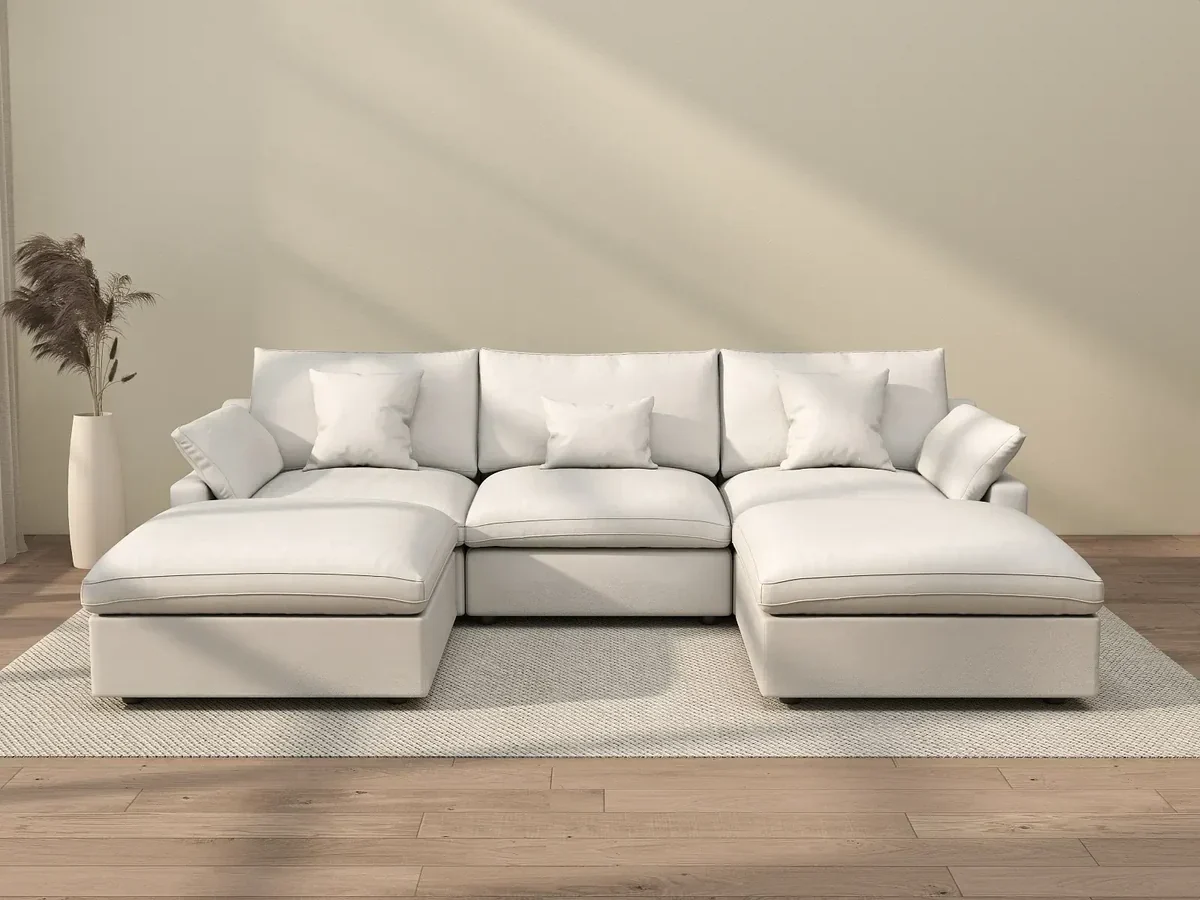
Check Sofa and Upholstery Quality
When buying upholstered furniture, appearance alone is not enough. The internal structure and fabric quality determine comfort and durability.
Important things to check include:
Frame Material
A strong sofa usually has a durable internal frame. Weak frames may create noise, sagging, or instability over time.
Cushion Quality
Press the cushions and check how quickly they return to shape. Low-quality foam may lose firmness quickly.
Fabric Strength
Look closely at the upholstery material. Poor-quality fabric may show:
- Loose threads
- Weak stitching
- Uneven patterns
- Thin material
A good sofa should combine comfort, support, and durable covering.
Look Closely at Stitching and Details
Small details often reveal the overall quality of furniture.
Inspect:
- Stitching lines
- Seams
- Decorative elements
- Edges
- Finishing corners
High-quality furniture usually has clean, consistent details. Uneven stitching or unfinished areas may indicate rushed manufacturing.
Be Careful With Extremely Low Prices
Everyone wants a good deal, but an unusually cheap price can sometimes indicate compromises in materials or construction.
Low prices may result from:
- Lower-quality materials
- Reduced manufacturing standards
- Weak hardware
- Shorter expected lifespan
Instead of choosing furniture only because it is affordable, compare quality, warranty, materials, and expected usage.
Ask Important Questions Before Purchasing
Before buying furniture, ask the seller:
- What material is used?
- Where was it manufactured?
- What type of wood or fabric is included?
- Is there a warranty?
- Are replacement parts available?
- How should it be maintained?
Reliable sellers should be able to provide clear information about their products.
Check Reviews When Buying Online
Online furniture shopping requires extra research because you cannot physically inspect the product.
Before ordering, check:
- Customer reviews
- Real customer photos
- Product specifications
- Return policies
- Warranty information
Pay attention to repeated complaints about durability, assembly problems, or material quality.
Common Furniture Buying Mistakes to Avoid
Many buyers make mistakes that lead to disappointment later.
Avoid:
- Choosing style over durability
- Ignoring measurements
- Not checking materials
- Skipping product reviews
- Buying without considering maintenance needs
- Assuming expensive always means high quality
A balanced decision considers design, function, comfort, and construction.
Final Thoughts
Identifying poor-quality furniture before buying requires careful observation and a focus on details. A beautiful design may attract attention, but materials, construction, hardware, and finishing determine how well furniture performs over time.
By checking stability, inspecting materials, testing moving parts, and asking the right questions, homeowners can avoid common purchasing mistakes and choose furniture that provides better value.
Quality furniture is not always the most expensive option. It is the furniture that combines strong construction, practical design, and long-lasting performance for your specific needs.