



A bathroom may look like one of the smallest areas in a home, but it is one of the most exposed spaces when it comes to moisture damage. Every day, walls, floors, joints, and fixtures come in contact with water from showers, sinks, steam, and cleaning activities. Without proper waterproofing, moisture can slowly move behind tiles, under flooring, and inside walls, creating problems that are often expensive to repair.
Many homeowners only think about waterproofing during a new bathroom installation, but mistakes during renovation or construction can create hidden issues that appear months or even years later. Understanding these common mistakes can help homeowners, builders, and DIY renovators avoid unnecessary repair costs and protect the long-term condition of their bathrooms.
Skipping Waterproofing Because Tiles Look Water-Resistant
One of the most common bathroom waterproofing mistakes is assuming that tiles alone can stop water from entering walls and floors.
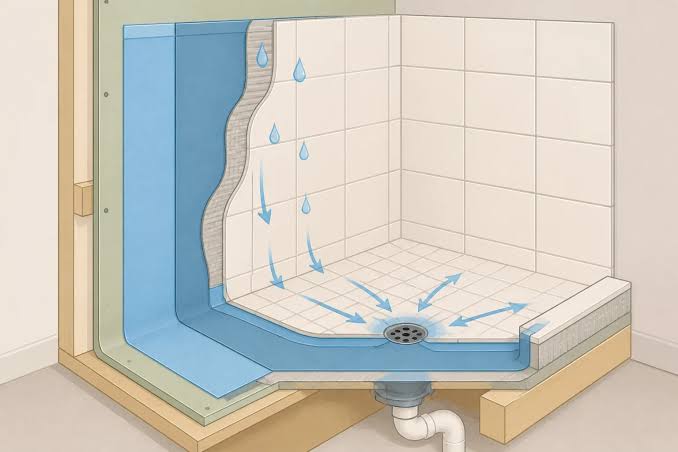
Tiles are designed to handle moisture, but they are not a complete waterproof barrier. Water can easily travel through grout lines, tiny cracks, corners, and gaps around fixtures. Over time, this moisture can reach the surface underneath and damage drywall, wood structures, insulation, or concrete.
A properly waterproofed bathroom uses a protective layer behind tiles and other finishing materials. This hidden layer is what prevents water from reaching the building structure.
Using the Wrong Waterproofing Materials
Not all waterproofing products are suitable for every bathroom application. Choosing a low-quality or incorrect product can reduce the protection level and lead to early failure.
Common waterproofing materials include:
- Liquid waterproofing membranes
- Sheet membranes
- Waterproof cement coatings
- Specialized bathroom sealing systems
Each option has different installation requirements and performance levels. For example, some products may work well on walls but not on high-moisture shower floors. Others may require specific preparation before application.
Selecting materials based on price alone can become costly when repairs are needed later. A reliable waterproofing system should match the bathroom design, water exposure level, and surface type.
Poor Surface Preparation Before Waterproofing
Waterproofing works best when applied to a clean, stable, and properly prepared surface. Applying waterproof coatings over dust, moisture, cracks, or damaged surfaces can prevent proper bonding.
Some common preparation mistakes include:
- Applying waterproofing over dirty surfaces
- Ignoring existing cracks
- Not repairing uneven areas
- Installing products on wet surfaces when they require dryness
- Skipping primer recommendations
Even high-quality waterproofing materials can fail if the surface underneath is not properly prepared.
Ignoring Bathroom Corners and Joints
Corners, wall-to-floor connections, and movement joints are some of the most vulnerable areas in a bathroom. These locations naturally experience more stress because different surfaces expand and contract at different rates.
A common mistake is applying waterproofing only across large flat areas while ignoring corners and joints.
Professional waterproofing systems usually include additional protection in these areas, such as:
- Waterproof sealing tapes
- Flexible membranes
- Reinforced corner treatments
Small gaps in these locations can allow water to enter and spread behind walls.
Not Waterproofing Around Plumbing Fixtures
Areas around showers, bathtubs, sinks, toilets, and pipes require extra attention. Small leaks around plumbing connections may not be immediately visible, but continuous moisture exposure can cause serious structural damage.
Some homeowners focus only on the shower area and forget other water exposure points. For example, water can enter through:
- Shower mixer openings
- Pipe penetrations
- Drain connections
- Sink edges
- Toilet base seals
Proper sealing around plumbing fixtures helps prevent hidden leaks and moisture buildup.
Applying Waterproofing Too Thinly
Another mistake is applying waterproofing materials without following the manufacturer’s recommended thickness. Some people try to save money by using less product, but a thin layer may not provide enough protection.
Waterproofing systems are designed with specific coverage requirements. Applying insufficient material can create weak areas where water eventually finds a path through.
Following installation guidelines is important because waterproofing performance depends on correct application, not just the product itself.
Rushing the Drying and Curing Process
Waterproofing materials need proper time to cure before tiles or other finishes are installed. Rushing this process can trap moisture or weaken the waterproofing layer.
A common renovation mistake is trying to complete the bathroom quickly by installing tiles immediately after waterproofing. While this may save time during construction, it can create long-term problems.
Allowing proper curing time helps ensure the waterproof layer achieves its intended strength and durability.
Poor Drainage Design
Waterproofing alone cannot solve every bathroom moisture problem. Poor drainage design can cause constant water exposure and increase the risk of damage.
A bathroom floor should have the correct slope so water flows naturally toward the drain. Flat areas where water collects can create ongoing moisture issues.
Drainage problems may lead to:
- Standing water
- Mold growth
- Damaged grout
- Slippery surfaces
- Increased maintenance requirements
Proper planning during bathroom construction helps prevent these issues.
Choosing Cheap Installation Over Quality Work
Even the best waterproofing materials can fail if they are installed incorrectly. Waterproofing requires attention to detail, especially around corners, joints, and plumbing areas.
Hiring an inexperienced installer or choosing the cheapest option without checking experience can result in mistakes that become expensive later.
A quality waterproofing professional should understand:
- Suitable materials for different surfaces
- Proper application techniques
- Local building requirements
- Moisture protection methods
Saving money during installation may lead to higher expenses when repairs involve removing tiles, fixing walls, or replacing damaged structures.
Signs Your Bathroom Waterproofing May Be Failing
Waterproofing problems are not always obvious at first. Early warning signs can help homeowners take action before major damage occurs.
Look for signs such as:
- Peeling paint near bathroom walls
- Damp spots or discoloration
- Mold or mildew growth
- Loose or cracked tiles
- Bad odors from trapped moisture
- Swollen wood or damaged cabinets
- Water stains on nearby ceilings
If these issues appear, investigating the source early can prevent larger repair projects.
How to Prevent Expensive Bathroom Waterproofing Repairs
The best way to avoid waterproofing problems is to focus on prevention during planning and installation.
Homeowners should:
- Use quality waterproofing materials
- Follow proper installation methods
- Inspect bathrooms regularly
- Repair cracks and damaged grout quickly
- Maintain plumbing fixtures
- Ensure proper ventilation
- Avoid covering moisture problems with cosmetic fixes
Regular maintenance does not replace proper waterproofing, but it helps identify problems before they become serious.
Final Thoughts
Bathroom waterproofing is one of the most important parts of any renovation or construction project. Many waterproofing failures happen because of small mistakes made during planning, material selection, or installation. While these errors may remain hidden for a long time, they can eventually lead to expensive repairs involving walls, floors, plumbing, and structural components.
Investing in proper waterproofing from the beginning helps protect your bathroom, improves durability, and reduces future maintenance costs. A well-waterproofed bathroom is not only more comfortable to use but also adds long-term value and reliability to your home.