








Home renovations can completely transform a property, making it more comfortable, functional, and valuable. However, many homeowners discover that not every improvement decision works out the way they expected. A project that looked exciting at the beginning can become a source of stress, unexpected expenses, or long-term frustration when important details are overlooked.
Renovation regrets usually do not happen because homeowners had bad intentions. Most mistakes come from rushing decisions, focusing only on appearance, underestimating costs, or failing to think about how a space will be used years later. Learning from common renovation mistakes can help homeowners create better plans and avoid spending money twice on the same area.
Choosing Style Over Practicality
One of the most common renovation regrets is prioritizing design trends over everyday functionality. A beautiful kitchen, bathroom, or living space may look impressive in photos, but it still needs to work well for daily life.
For example, some homeowners choose open shelving in kitchens because it creates a modern appearance. Later, they realize that keeping shelves clean and organized requires more effort than expected. Others install trendy flooring materials without considering durability, maintenance needs, or how the surface feels during daily use.
A successful renovation should balance appearance with practicality. Before selecting any design feature, homeowners should ask:
- Will this make daily tasks easier?
- How much maintenance will it require?
- Will this design still be useful several years from now?
- Does it match the way my family actually uses the space?
A home should not only look good; it should support the lifestyle of the people living inside it.
Underestimating the Total Renovation Budget
Many renovation regrets start with unrealistic budgeting. Homeowners often calculate the visible costs, such as materials and labor, but forget about additional expenses that appear during construction.
Unexpected costs may include:
- Electrical upgrades
- Plumbing repairs
- Structural issues
- Permit fees
- Material price changes
- Additional labor requirements
- Temporary living arrangements
A renovation budget should always include a contingency amount for unexpected situations. Experienced homeowners often reserve extra funds because old homes especially can reveal hidden problems once walls, floors, or ceilings are opened.
A project that begins with careful financial planning is much less likely to become overwhelming.
Ignoring Storage and Organization Needs
Another common mistake is designing spaces around appearance while forgetting storage requirements. Many homeowners focus on cabinets, furniture, and decoration but later realize they do not have enough room for everyday items.
This issue is especially common in:
- Kitchens with limited cabinets
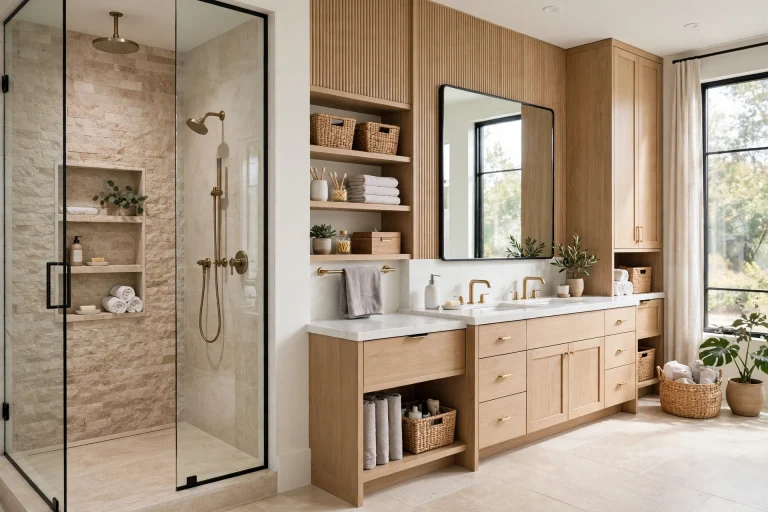
- Bathrooms without enough storage
- Bedrooms without proper closet planning
- Home offices without organization systems
During renovation planning, storage should be considered from the beginning rather than added as an afterthought.
Small improvements, such as built-in shelves, hidden storage areas, customized cabinets, and better closet layouts, can make a home significantly more comfortable.
Hiring the Wrong Contractor
A renovation contractor can influence the entire outcome of a project. Choosing someone based only on the lowest price is one of the biggest mistakes homeowners make.
A cheaper quote may sometimes mean:
- Lower-quality materials
- Limited experience
- Poor communication
- Delays
- Unexpected additional charges
Before hiring a contractor, homeowners should review previous projects, check references, understand the contract details, and discuss timelines clearly.
Good communication is just as important as technical skills. A contractor who understands the homeowner’s goals can help prevent many problems before construction begins.
Not Considering Future Needs
A renovation should not only solve current problems; it should also consider future changes. Many homeowners regret making decisions that worked temporarily but became inconvenient later.
Examples include:
- Creating a home office without considering technology needs
- Installing narrow doorways that limit accessibility
- Designing bathrooms without future comfort in mind
- Removing useful spaces without considering resale value
Thinking ahead can make a renovation more valuable. Homes often need to adapt as families grow, lifestyles change, or mobility requirements increase.
Choosing Cheap Materials for Major Projects
Saving money during renovations is understandable, but selecting the cheapest materials for important areas can create long-term problems.
Some materials experience heavy daily use, including:
- Flooring
- Countertops
- Roofing
- Windows
- Doors
- Plumbing fixtures
Choosing low-quality options may result in frequent repairs or replacement costs. Instead of focusing only on the initial price, homeowners should consider lifespan, warranty, maintenance requirements, and performance.
A slightly higher investment in durable materials can often save money over time.
Poor Planning Before Construction Begins
Many renovation problems come from starting work too quickly. Homeowners sometimes begin demolition before finalizing designs, selecting materials, or confirming project details.
Poor planning can lead to:
- Delays
- Design changes
- Increased expenses
- Material shortages
- Unnecessary work
A detailed renovation plan should include the project scope, expected timeline, material choices, budget limits, and professional responsibilities.
Taking more time during the planning stage usually creates a smoother construction process.
Forgetting About Lighting and Electrical Needs
Lighting is another area where homeowners often experience regret. A room may have beautiful finishes but still feel uncomfortable because the lighting design was not properly planned.
Common issues include:
- Not enough electrical outlets
- Poor placement of light fixtures
- Lack of task lighting
- Limited smart home compatibility
Modern homes require more electrical planning than ever because people use multiple devices, appliances, and technology systems.
Considering lighting and electrical needs early can improve both comfort and functionality.
Following Trends Without Considering Longevity
Home improvement trends can provide inspiration, but blindly following every trend can create future regrets. Some styles become outdated quickly, reducing the appeal of a renovation.
A better approach is combining modern features with timeless design choices. Neutral materials, quality craftsmanship, and functional layouts often remain valuable longer than short-term design trends.
Homeowners should use trends as ideas rather than strict rules.
Learning From Renovation Mistakes
Renovation regrets can teach valuable lessons. The best projects usually come from homeowners who take time to research, plan carefully, and understand their actual needs.
Before starting a renovation, consider:
- The purpose of the improvement
- Long-term maintenance requirements
- Quality of materials
- Professional advice
- Future lifestyle changes
- Realistic financial planning
A successful renovation is not simply about creating a beautiful space. It is about improving the way a home works for the people who live there.
By learning from common renovation regrets, homeowners can make smarter decisions, avoid unnecessary expenses, and create spaces that remain comfortable, practical, and valuable for many years.