




Differential settlement on expansive soil is preventable, but only when the house, the soil, and the water around it are managed as one system. The short answer: keep soil moisture steady around the foundation, build on a foundation engineered for the ground beneath it, and catch small movement early. Expansive clay swells when wet and shrinks when dry, and when one side of a home experiences more of that cycle than the other, the foundation moves unevenly. That uneven movement is differential settlement, and it cracks walls, jams doors, and slopes floors.
Why Expansive Clay Moves Unevenly Beneath a Home
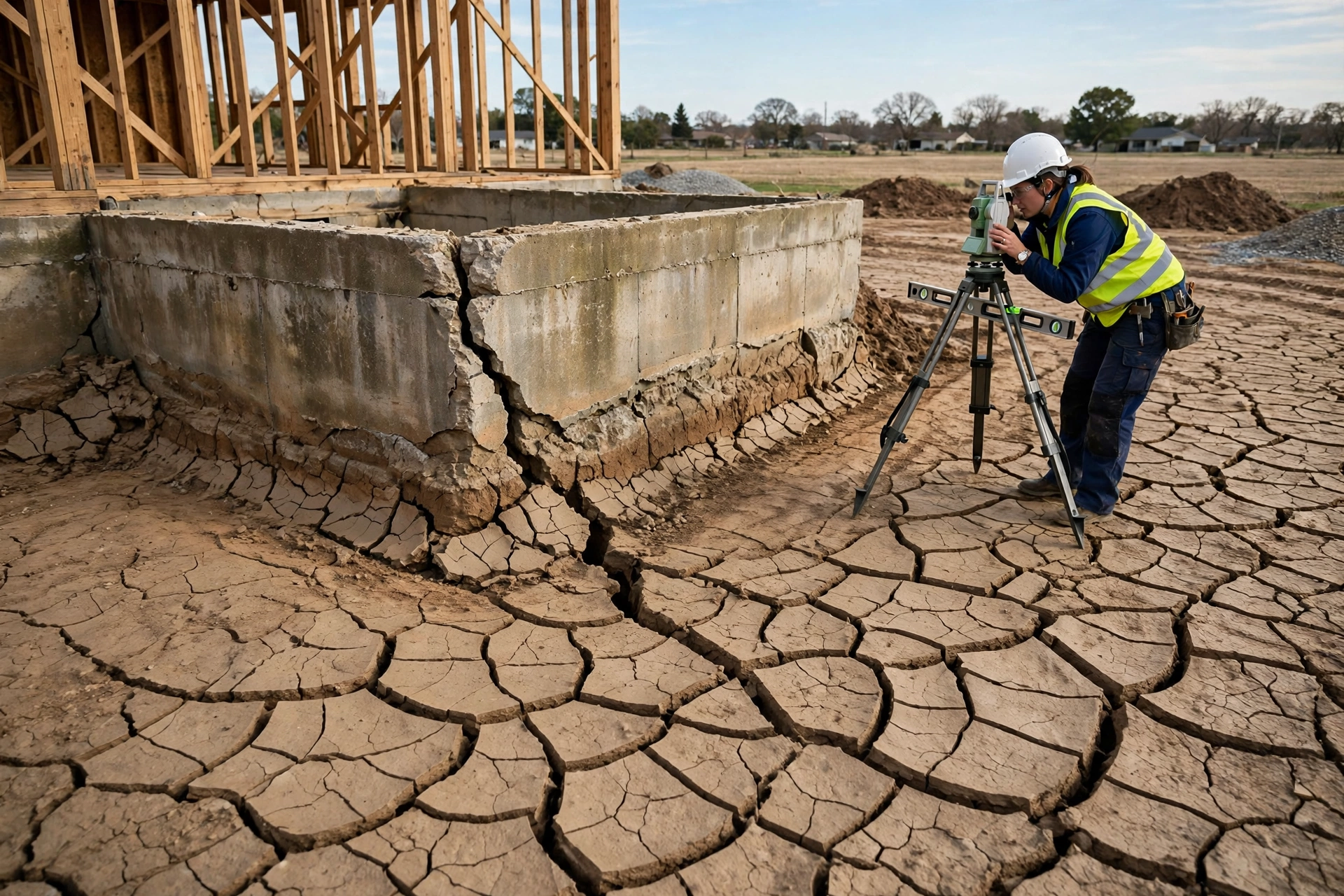
Expansive soils are clay-rich soils that change volume with moisture. Wet, they absorb water and push upward; dry, they release moisture, shrink, and can pull away from the foundation, leaving gaps beneath slabs and footings. A corner shaded by a large tree dries faster because roots draw water from the soil, while the side receiving roof runoff stays wetter than the side sheltered by a porch. Each creates a local zone of swelling or shrinking that bends, tilts, or cracks the foundation above it.
How Differential Settlement Shows Up in Walls, Floors, and Doors
Differential settlement rarely announces itself dramatically. It usually appears as small symptoms that worsen over months and years, often after a wet season followed by a drought. Reading these signs early is cheap prevention: small movement caught early can often be stabilized with moisture control and drainage, while movement ignored for years may eventually need piers and underpinning. Look for patterns, not isolated marks: a single hairline crack is usually cosmetic, but cracks pointing the same way, or opening and closing with the seasons, deserve attention.
Diagonal cracks from the corners of doors and windows, especially wider than about an eighth of an inch or still growing.
Floors that slope underfoot, with a marble rolling toward one corner or wall.
Gaps between walls and ceilings, baseboards and floors, or brick veneer and window frames.
Reading a Geotechnical Report Before You Build or Repair
Every prevention strategy starts with knowing the ground. For new construction, a geotechnical report is the single most valuable document in the project. A driller takes soil borings, a laboratory tests them for plasticity and swell potential, and the report tells the structural engineer how much the ground is likely to move and which foundation types will work. Skipping this step is a false economy: the report costs little next to a foundation designed blind, and less still next to repairing a house that settles unevenly. If you are buying a home on expansive clay, ask for any existing soil report, and commission one before major renovation work if none exists. Be wary of any proposal offering piers or foam injection without explaining the moisture mechanism behind the movement: diagnosis first, then design, then construction.
Choosing a Foundation That Resists Uneven Movement on Expansive Soil
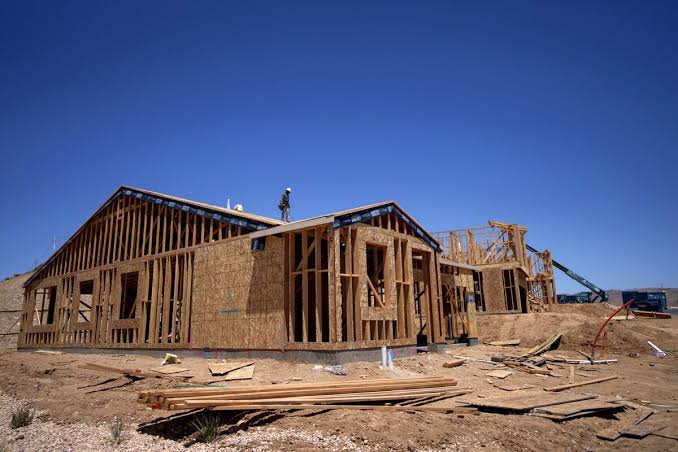
The foundation type is the most important decision in a new build on expansive soil, and it must match the soil report rather than habit or lowest bid. A conventional lightly reinforced slab that performs well on stable soil can crack and tilt on highly plastic clay. The designs that perform best either reach below the active zone or are stiff enough to span across local pockets of heave and settlement without bending.
Details matter too: reinforcement, deeper grade beams, control joints, a compacted granular base, and a vapor barrier all help the slab do its job. For additions, the new foundation must suit the same soil behavior as the original, and the junction between old and new work deserves particular care.
Keeping Soil Moisture Steady Around the Perimeter
If foundation design is the skeleton of prevention, moisture control is the habit that keeps it working. The goal is not to keep the soil dry, but to keep it consistently moist. Expansive clay causes damage through change, not through any single moisture level. Soil at a steady moisture level all year barely moves; soil swinging between saturated and bone dry runs the full shrink-swell cycle, and that is where differential settlement begins.
- In dry periods, water the foundation zone with soaker hoses a foot to eighteen inches from the perimeter.
- Water evenly on all sides, so one side does not shrink while the other stays swollen.
- Avoid both extremes: soaking until it ponds is as harmful as letting it dry to deep cracks.
- Start watering when soil separates from the foundation edge, and taper off as rainfall returns.
Trees deserve a place in this plan. A mature tree draws an enormous volume of water daily, and its roots reach well beyond the canopy. A large tree close to one corner creates a dry zone under that corner, a classic cause of corner settlement. Plant new trees at a distance suited to their mature size, and take professional advice before removing an established tree, since sudden rehydration can cause heave.
Grading, Gutters, and Drains That Protect an Expansive-Soil Foundation
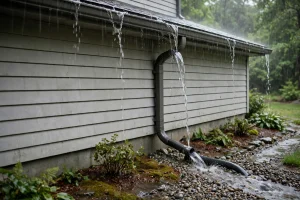
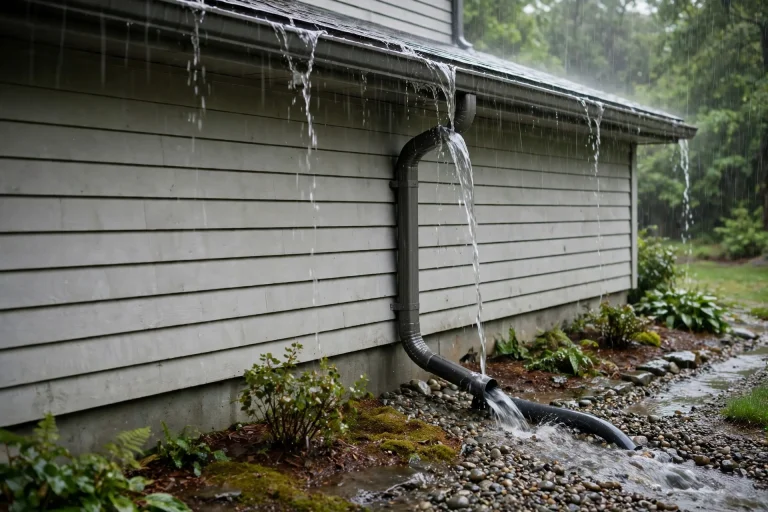
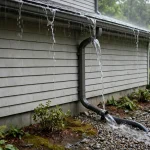
Water must be moved away from the house quickly, every time it rains. Surface grading is the first line of defense: the ground should slope away from the foundation for at least the first ten feet, dropping roughly six inches over that distance, so rainwater sheets away instead of collecting against it. Where the lot is flat or slopes toward the house, regrading or swales can restore that fall. Gutters and downspouts are the second line, and they fail more often than homeowners realize. Clean gutters at least twice a year, and extend every downspout at least five feet from the house so roof runoff does not pour into the soil that must stay stable. French drains help where grading alone cannot handle the water, but they should be part of a drainage plan, with outlets kept clear.
Plumbing Leaks and Irrigation Habits That Trigger Settlement
A slow plumbing leak under a slab is one of the most destructive and least visible causes of settlement. A small, steady leak saturates a patch of clay beneath the house, which swells and lifts one section while the rest stays in place. Because the leak is hidden, the first sign is often a crack or a sticking door, not water. Watch for unexplained rises in the water bill, running water when taps are off, warm spots on the floor, or damp patches that never dry. Any of these justifies a leak detection survey before the symptoms are blamed on soil. Above-ground irrigation deserves the same discipline. Sprinklers on a fixed timer regardless of rainfall, or spraying directly against the house, create the uneven moisture patterns that drive settlement. Aim heads away from the foundation, use separate zones for beds near the house, and fit a rain sensor or smart controller that skips watering after rain.
Stabilizing Soil and Underpinning an Existing Home on Expansive Clay
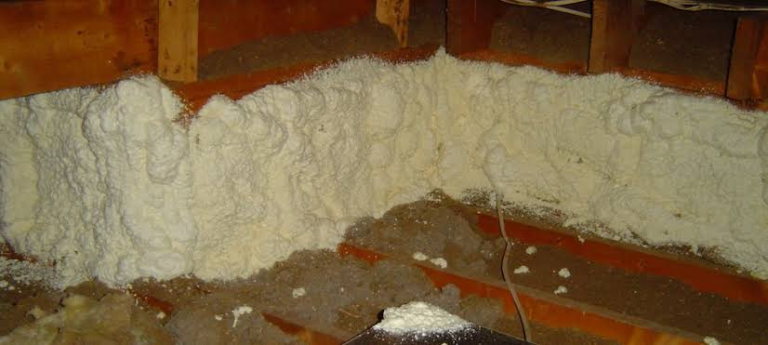
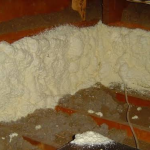
When prevention has not been enough, repairs divide into two families: treatments that stabilize the soil, and structural work that bypasses it. Lime treatment or chemical injection changes the clay’s chemistry so it swells less when wet, but success depends on soil type, treatment depth, and whether the moisture problem behind the movement has also been fixed. Underpinning transfers the weight of the house to deeper, stable soil. Steel push piers and helical piers are driven or screwed past the active zone to competent bearing strata, then brackets connect them to the foundation and the house can be lifted incrementally back toward level. Costs vary widely with depth, access, and pier count, so any figure is only a broad estimate until a site-specific quote confirms it. Foam injection and mudjacking can fill voids and lift slabs, but they do not reach stable soil and suit localized settlement better than house-wide movement.
When an Expansive-Soil Foundation Needs a Structural Engineer
Much of the prevention here is homeowner work: grading, gutters, watering, and watching. But there is a clear line where professional help becomes necessary. Call a licensed structural engineer if cracks are widening, floors have dropped or risen noticeably, doors and windows bind across the whole house, a chimney leans, a wall bows, or movement continues after drainage and moisture problems are fixed. An engineer can measure elevations, review any soil report, and determine whether the movement is active and what causes it. Never cut, core, or drill into a post-tensioned slab without first locating the tensioned cables, since cutting a cable under tension can fail violently and cause serious injury. Never attempt to lift or jack a house yourself. A bowing wall, a suddenly dropped floor, or a crack alongside a gas or water leak is urgent: get professional advice the same day.
Differential Settlement FAQs on Expansive Soil
Can differential settlement on expansive soil be prevented completely?
In most cases it can be reduced to a level where it causes no damage, though no foundation on highly expansive clay can be guaranteed never to move. A foundation engineered for the soil report, combined with steady moisture control and good drainage, keeps movement small and uniform. The goal is not zero movement but movement so small and so even that the structure does not crack or tilt.
How do I know if my soil is expansive?
The clearest signs are clay that cracks deeply in dry weather, sticks to boots and tools when wet, and heaves or shrinks with the seasons. A geotechnical report gives a definitive answer through laboratory tests of plasticity and swell potential. Local geological maps and neighbors can also point the way, but a soil test is the reliable route before building.
Which foundation type is best for expansive soil?
There is no single best type: the answer depends on swell potential, active-zone depth, lot slope, and the loads involved. Post-tensioned slabs suit many moderate to high expansion sites, pier and grade beam systems suit severe expansion and sloped or flood-prone lots, and deepened footings work where the active zone is shallow. A structural engineer, working from the geotechnical report, should make the choice.
Should I water my foundation during a drought?
Yes, in most expansive soil regions, steady foundation watering during dry periods is recommended practice, advised by agricultural extension services in states with reactive clay. Use soaker hoses a foot or so from the perimeter, water evenly on all sides, and aim for consistent moisture rather than saturation. Overwatering causes heave, so the target is stable moisture, not wet soil.
Can trees really cause foundation settlement?
Yes. A large tree near a house draws significant water from the soil, creating a dry zone under the nearest part of the foundation while the rest stays moist. The resulting uneven shrinkage is a common cause of corner settlement. Plant new trees at a distance suited to their mature size, and take professional advice before removing an established tree, since sudden rehydration can cause heave.
How much does it cost to fix differential settlement?
Costs vary so widely that any single figure would mislead. Drainage correction may cost a few thousand dollars, while pier underpinning for a whole house can run into the tens of thousands, depending on depth, access, and pier count. Get a site-specific assessment and quote from a licensed structural engineer and a reputable foundation contractor.
Final Thoughts: Keeping an Expansive-Soil Foundation Stable
Preventing differential settlement comes down to three commitments made together: build or retrofit a foundation that suits the ground beneath it, keep the moisture in that ground as steady as the seasons allow, and watch for small changes before they become large ones. No single measure carries the job: a stiff slab will still crack if a leak saturates one corner, and perfect drainage will not save a lightly built foundation on severely expansive clay. Taken together, these measures turn a difficult soil condition into a manageable one, and most homes on expansive clay that follow them stay level, dry, and crack-free for decades. Start with the soil report if you are building, with drainage and moisture if you already live there, and bring in a structural engineer the moment the signs suggest the ground is winning.