


Home safety is no longer only about strong locks, security cameras, or reliable electrical systems. As extreme weather conditions, rising temperatures, and wildfire risks increase in many regions, homeowners are paying more attention to fire-resistant construction and renovation strategies.
Fire-resistant home upgrades are designed to reduce the chances of a fire starting, slow down the spread of flames, and give occupants more time to respond during an emergency. These improvements do not make a home completely fireproof, but they can significantly improve protection when combined with proper maintenance, safe habits, and emergency planning.
Modern fire-resistant design focuses on a combination of materials, building techniques, landscaping choices, and smart technologies. Whether you are building a new property or upgrading an existing home, understanding these options can help you make better decisions for long-term safety.
Why Fire-Resistant Home Improvements Matter
Traditional home construction often focuses on appearance, comfort, and energy efficiency. While these factors remain important, safety has become a major consideration in modern residential design.
Many common building materials can contribute to faster fire spread. Wood structures, untreated outdoor materials, old roofing systems, and poorly maintained areas around a property may increase vulnerability.
Fire-resistant upgrades help address these risks by improving different parts of the home, including:
- Exterior walls
- Roofing systems
- Windows and doors
- Decks and outdoor structures
- Insulation materials
- Landscaping areas
- Electrical systems
The goal is to create multiple layers of protection instead of relying on one single solution.
Fire-Resistant Roofing Options
The roof is one of the most important areas to consider during fire protection upgrades. During wildfires or nearby fire events, burning debris can land on roofs and create ignition points.
Traditional roofing materials may not provide the same level of protection as modern fire-resistant options.
Some commonly used fire-resistant roofing materials include:
Metal Roofing
Metal roofs are popular because they resist burning embers and provide long-term durability. They also require less maintenance compared with some traditional roofing materials.
Modern metal roofing is available in different styles that can match residential designs without sacrificing safety.
Clay and Concrete Tiles
Clay and concrete tiles offer strong fire resistance and can perform well in areas where wildfire protection is a concern. Their durability also makes them suitable for long-term residential use.
However, proper installation is important because gaps between tiles can sometimes allow debris accumulation.
Class A Asphalt Shingles
Many asphalt shingles are designed with fire-resistant properties. Class A-rated shingles provide better protection compared with lower-rated alternatives.
Homeowners should always check product ratings and local building requirements before selecting roofing materials.
Choosing Fire-Resistant Exterior Materials
The outside of a home acts as the first barrier against external fire threats. Upgrading exterior materials can help slow flame movement and reduce damage.
Fiber Cement Siding
Fiber cement siding has become a popular alternative to traditional wood siding because it offers durability, moisture resistance, and improved fire performance.
It can replicate the appearance of wood while requiring less maintenance.
Stucco and Masonry Finishes
Stucco, brick, and stone materials naturally provide better fire resistance than many lightweight exterior materials.
These options are especially valuable for homeowners looking for long-lasting exterior protection.
Fire-Resistant Treated Wood
For homeowners who prefer the natural appearance of wood, specially treated products may provide improved resistance. However, treated wood still requires proper maintenance to maintain performance.
Upgrading Windows and Doors for Better Protection
Windows and doors are often overlooked during fire-resistant renovations, but they can become weak points during extreme heat exposure.
Standard single-pane windows may crack more easily when exposed to intense temperatures. Once glass breaks, flames and embers can enter the home.
Fire-resistant window improvements may include:
- Tempered glass
- Dual-pane windows
- Metal window frames
- Fire-rated assemblies
Fire-resistant doors can also provide additional protection by slowing heat and flame movement between areas of the property.
Creating Safer Outdoor Spaces
The area surrounding a home plays a major role in fire protection. Even fire-resistant buildings can become vulnerable if combustible materials are placed too close to the structure.
A safer outdoor design may include:
- Removing dry vegetation near the home
- Creating defensible space around buildings
- Using fire-resistant plants
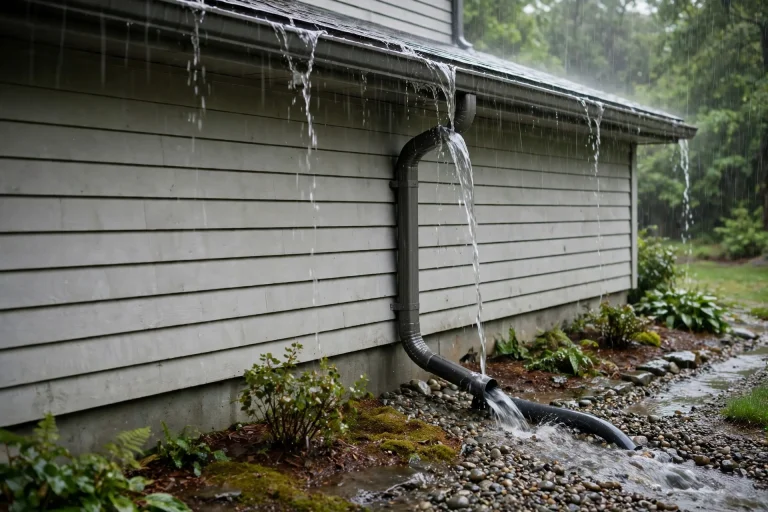
- Keeping gutters free of leaves and debris
- Choosing safer decking materials
Decks, fences, and outdoor furniture should also be considered because they can act as pathways for fire movement.
Materials such as composite decking with fire-resistant properties, concrete patios, and metal structures can reduce outdoor fire risks.
Fire-Resistant Insulation and Interior Improvements
Fire protection is not only about the outside of a property. Interior materials also influence how quickly fire can spread.
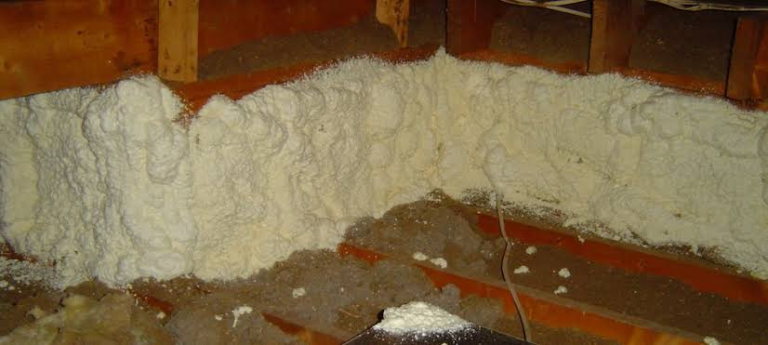
Some insulation materials provide better fire resistance than others.
Mineral Wool Insulation
Mineral wool is known for its ability to withstand high temperatures and provide strong fire protection. It is commonly used in areas where fire safety is a priority.
Fire-Rated Drywall
Special fire-resistant drywall can help slow the movement of flames between rooms. These materials are often used around garages, utility areas, and locations with higher fire risks.
Proper installation is essential because gaps and incorrect sealing can reduce effectiveness.
Smart Technologies for Fire Protection
Technology is adding another layer of protection to modern homes. Smart fire safety systems can detect problems earlier and provide faster alerts.
Examples include:
Smart Smoke Detectors
Connected smoke detectors can send notifications directly to smartphones, allowing homeowners to respond even when they are away.
Automatic Shutoff Systems
Smart systems can automatically stop certain utilities during dangerous situations. For example, connected devices may shut off gas or electrical systems when abnormal conditions are detected.
Home Monitoring Sensors
Advanced sensors can monitor temperature changes, air quality, and unusual activity, helping identify potential risks before they become serious.
Common Mistakes Homeowners Make With Fire Protection
Many homeowners focus only on expensive upgrades while ignoring simple improvements that can make a major difference.
Common mistakes include:
- Ignoring roof maintenance
- Allowing dry vegetation to build up around the property
- Storing flammable materials near buildings
- Choosing materials only based on appearance
- Installing safety equipment but not testing it regularly
A complete fire-resistant strategy requires both construction improvements and everyday maintenance.
Planning Fire-Resistant Upgrades on a Budget
Not every homeowner can complete a full renovation immediately. A phased approach can make improvements more manageable.
Start with high-impact areas such as:
- Maintaining the roof and gutters
- Installing reliable smoke detection systems
- Improving exterior materials during planned renovations
- Reducing combustible materials near the home
- Upgrading windows and doors when replacement is needed
Small improvements completed over time can significantly improve overall protection.
The Future of Fire-Resistant Home Design
The future of residential construction is moving toward smarter and safer buildings. New materials, artificial intelligence-based monitoring systems, and improved construction standards are helping homeowners create more resilient properties.
Future homes may include:
- AI-powered fire prediction systems
- Automated emergency responses
- Advanced heat-resistant materials
- Self-monitoring building systems
- Climate-adaptive designs
As technology improves, fire safety will become a more integrated part of home design rather than an afterthought.
Final Thoughts
Fire-resistant home upgrades are about creating a safer living environment through thoughtful materials, better design decisions, and modern technology. While no home can completely eliminate fire risks, the right improvements can slow damage, protect valuable belongings, and provide valuable time during emergencies.
From stronger roofing and exterior materials to smart detection systems and safer landscaping choices, homeowners have many options to improve property resilience.
Investing in fire-resistant upgrades is not only about protecting a building. It is about creating a safer, more prepared home for the people who live inside it.