




Choosing exterior materials for a long-term renovation is one of the highest-stakes decisions a homeowner makes, because the siding, roofing, trim, and cladding you install today will shape your home’s appearance, energy bills, and maintenance workload for decades. A sustainable choice is not simply the product with the greenest label. It is the material that lasts longest in your climate, needs the least upkeep, comes from responsible sources, and can be repaired or recycled when its service life finally ends.
The short answer is this: start with durability and climate fit, then weigh embodied carbon, recycled content, and end-of-life options. A material that survives fifty years with light maintenance almost always beats a cheaper product replaced twice, both environmentally and financially. The sections below walk through how to judge sustainability honestly, compare the leading exterior options, and avoid the greenwashing traps that cost homeowners money.
Sustainable Exterior Materials Start With a Whole-Life View, Not a Label
Sustainability is best judged across a material’s whole life, from raw material extraction and manufacturing through transport, installation, decades of use, and eventual disposal or reuse. Professionals call this a life cycle assessment, and it explains why a long-lived product often wins even when its factory process uses more energy. A cedar board that rots in fifteen years in a wet climate creates more waste than a fiber cement board that lasts fifty, even though the wood began as a renewable resource.
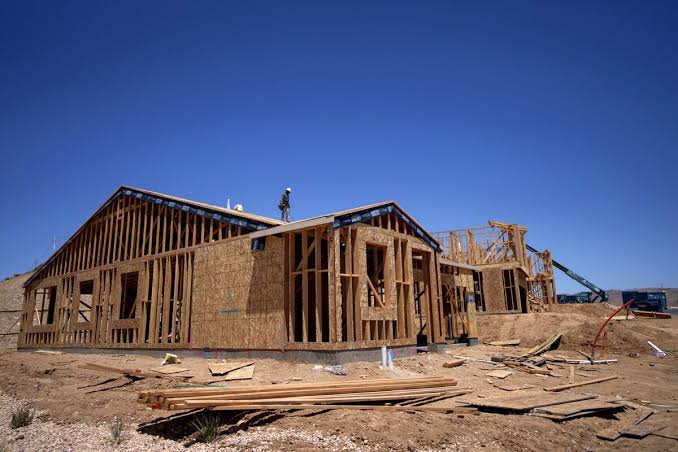
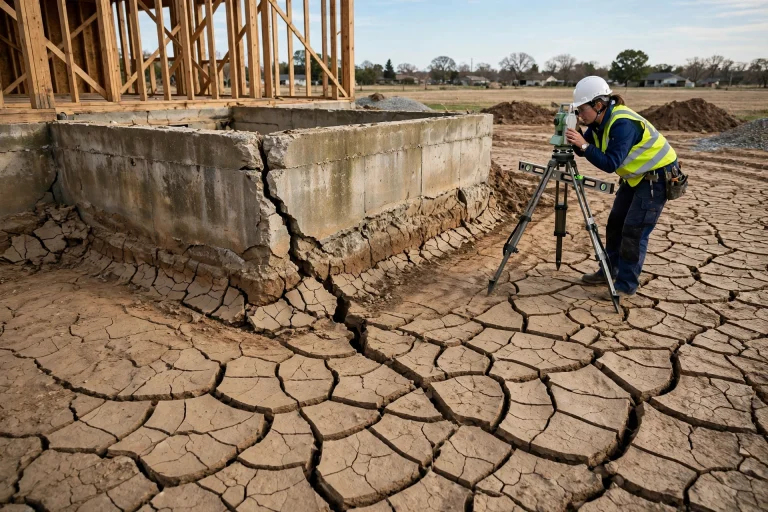
Before comparing products, list the conditions your exterior must survive: annual rainfall, freeze-thaw cycles, sun exposure, salt air, wildfire risk, and wind. A material that is sustainable in a dry desert may fail quickly on a rainy coast. Local availability matters too, because shipping heavy masonry or stone across the country adds transport emissions and cost. Regionally produced materials that suit the local climate are usually the most genuinely sustainable choice.
What Makes Fiber Cement Siding Last for Decades?
Fiber cement, a mix of cement, sand, and cellulose fiber, has become a leading sustainable exterior material mainly because of its service life. Installed and painted correctly, it commonly lasts fifty years or more, resists fire, insects, and rot, and holds paint far longer than wood. That longevity means fewer replacements, less landfill waste, and lower lifetime cost, even though the upfront price sits above vinyl siding.
Look for fiber cement products with published Environmental Product Declarations, which disclose embodied carbon and resource use in a standard format, and finishes applied in the factory, which tend to last longer and emit fewer volatile compounds than site-applied paint. The material is heavy, so it needs a skilled crew and proper flashing at every joint. Poorly installed fiber cement can trap moisture behind the boards, so the installer matters as much as the product.
Reclaimed Timber and Responsibly Harvested Wood Bring Warmth With Conditions
Reclaimed wood carries the lowest new-material footprint of any exterior option, because no new trees are cut and usable timber is kept out of landfill. Salvaged barn boards, old-growth decking, and reclaimed siding add character that new products cannot copy, and the stored carbon stays locked in the wood. The trade-off is supply: quantities are limited, boards vary in size and condition, and each piece should be checked for nails, rot, and old finishes such as lead paint.
When new wood is the better fit, choose timber certified by the Forest Stewardship Council, which verifies responsible forestry, and consider modified wood such as thermally treated or acetylated timber. Thermal modification uses heat and steam rather than chemicals to make domestic species highly resistant to moisture, rot, and insects, while acetylation changes the wood’s cell structure so it absorbs far less water. Both options carry long warranties and suit wet climates where ordinary softwood would fail early.
Recycled Metal, Brick, and Stone Offer Circularity and Century-Scale Life
Metal siding made from steel or aluminum frequently contains high recycled content and can be recycled indefinitely at the end of its life, which makes it one of the most circular exterior materials available. A well-installed metal exterior can last forty to seventy years, sheds rain well, and resists fire and insects. Its weaknesses are denting from hail or impacts, and the need for careful detailing to prevent noise and condensation in some assemblies.
Brick and stone remain the durability champions. A well-built brick or stone wall can serve for a century with little more than occasional repointing, and reclaimed brick or salvaged stone avoids new quarrying entirely. Lime-based mortars let masonry breathe and allow future reuse of the units, unlike hard cement mortars that can damage old brick. The main cautions are weight, transport emissions for stone shipped long distances, and the need for proper foundations and freeze-thaw-resistant units in cold climates.
Comparing Sustainable Exterior Materials Side by Side Before You Commit
A side-by-side comparison helps because no single material wins on every measure. Durability, maintenance, embodied carbon, and end-of-life options pull in different directions, and the right answer depends on your climate, budget, and how long you plan to stay in the home. Use the table below as a starting point, then confirm warranties, local installer experience, and code compliance for your specific product.
Roofing, Trim, and Windows Deserve the Same Sustainability Test
Exterior sustainability does not stop at the walls. Roofing is the largest exterior surface, and a long-lived roof such as standing-seam metal, clay tile, or slate can outlast two or three asphalt shingle roofs, avoiding repeated tear-offs. Metal roofing often contains recycled content and is recyclable, while clay and slate are made from abundant natural materials. The higher upfront cost is usually recovered over the roof’s life, especially in regions with hail, high wind, or wildfire exposure.
Trim, fascia, and soffits are small in area but frequent failure points. Rot-resistant options such as fiber cement trim, PVC trim made with recycled content, or acetylated wood reduce the cycle of replacing soft trim boards every few years. Windows also matter: durable fiberglass or wood-clad frames with high-performance glazing cut heating and cooling loads for decades, and their embodied carbon is repaid many times over through energy savings. Ask suppliers for Environmental Product Declarations and compare whole-window performance rather than frame material alone.
Rain Screens, Insulation, and Detailing Decide Whether Materials Actually Last
Even the most sustainable cladding fails early if water is trapped behind it. A rain screen, a ventilated gap between the cladding and the water-resistive barrier, lets walls dry and dramatically extends the life of siding, trim, and sheathing. Continuous exterior insulation reduces thermal bridging, keeps wall cavities warmer and drier, and cuts energy use. These hidden layers often matter more for long-term performance than the visible material itself.
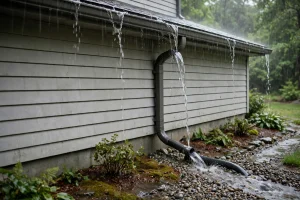
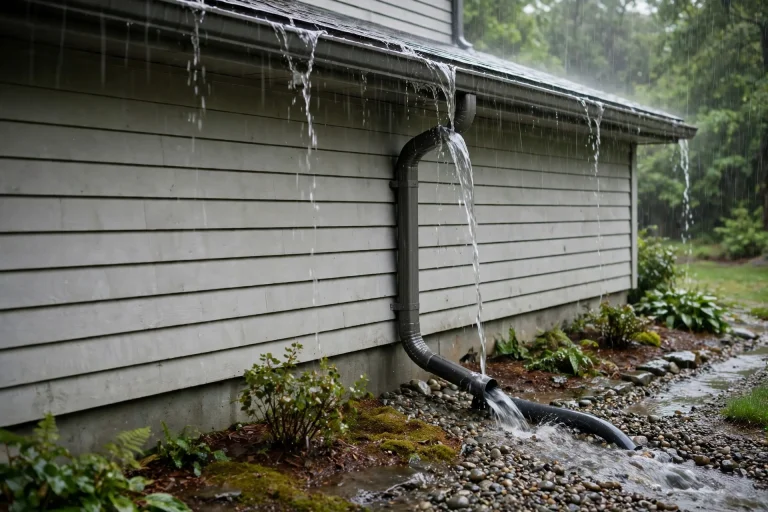
Detailing is where renovations succeed or fail. Flash every window, door, and roof-to-wall joint; keep siding clear of soil and splashback; and provide drip edges that throw water clear of the wall. A contractor who rushes flashing to save a day can undo the value of a fifty-year material. When interviewing installers, ask how they handle penetrations, what rain screen system they use, and whether they will photograph the water-resistive barrier before cladding goes on.
Sustainable Exterior Material Selection Errors That Shorten a Renovation’s Life
The most expensive mistake is choosing a material for its marketing story rather than its performance in your climate. Tropical hardwood in a wet, shaded location, untreated softwood near grade, or a dark, heat-absorbing cladding on a sun-baked wall all age quickly no matter how green the label. Another common error is ignoring maintenance: a wood exterior that needs oiling every two years is only sustainable if someone actually does the work.
Greenwashing is widespread. Vague claims such as eco-friendly or natural mean little without third-party verification. Look for recognized certifications and published data: Forest Stewardship Council certification for wood, Environmental Product Declarations for embodied carbon, Cradle to Cradle or Declare labels for material health, and low-VOC claims backed by test standards. If a supplier cannot provide documentation, treat the sustainability claim as unproven.
Sustainable Exterior Materials and the Long-Term Renovation Budget
Sustainable materials often cost more upfront and less over time, which makes a whole-life cost comparison essential. Add up purchase, installation, painting or sealing cycles, likely repairs, and eventual replacement over thirty or fifty years rather than comparing day-one prices alone. A fiber cement or metal exterior that needs repainting once a decade can cost less over thirty years than a cheaper siding replaced at year twenty, and it usually adds resale appeal.
Budget for the supporting work too: a rain screen, upgraded flashing, and continuous insulation add cost but protect the investment. Ask for itemized quotes so you can see where the money goes, and phase the work sensibly if needed, starting with the most weather-exposed elevations. Keep a maintenance calendar after the renovation, because even durable materials need inspections, sealant checks, and cleaning to reach their rated life.
Final Thoughts: Sustainable Exterior Materials Reward Patience and Good Detailing
The most sustainable exterior renovation is usually the quiet one: durable materials, installed with careful flashing and ventilation, that look good and perform well for decades without drama. Choose for your climate first, verify claims with real certifications, and hire installers who respect the details. Done that way, the renovation pays back in lower maintenance, lower energy use, and a home that ages gracefully rather than demanding another overhaul in fifteen years.
Sustainable Exterior Materials FAQs
Which exterior material lasts the longest for a residential renovation?
Brick and stone generally last longest, often seventy-five to one hundred years or more with basic care. Metal roofing and siding can reach forty to seventy years, while fiber cement commonly lasts fifty years or more. Actual life depends heavily on climate, installation quality, and maintenance.
Is fiber cement siding genuinely sustainable?
Fiber cement earns its sustainability mainly through longevity and low maintenance rather than low manufacturing impact. Its cement content carries embodied carbon, but a fifty-year service life spreads that impact thinly. Look for products with published Environmental Product Declarations to compare options honestly.
Is reclaimed wood safe to use as exterior siding?
Usually yes, with inspection. Check each board for rot, embedded nails, and old paint that may contain lead, especially on timber salvaged from pre-1978 buildings. Have suspicious finishes tested, and use reclaimed wood where its thickness and condition suit exterior exposure.
Does sustainable siding cost more than ordinary siding?
Upfront, often yes. Fiber cement, metal, and masonry typically cost more than vinyl or basic wood siding. Over thirty to fifty years, though, lower maintenance and fewer replacements frequently make them cheaper overall, and they can add resale value.
What certifications should I look for on sustainable exterior materials?
Useful ones include Forest Stewardship Council certification for wood, Environmental Product Declarations for embodied carbon, Cradle to Cradle or Declare labels for material health, and recognized low-VOC test standards for finishes. Vague eco-friendly claims without documentation should not guide a purchase.
Do I need a rain screen behind sustainable siding?
In most climates it is strongly recommended. A ventilated gap behind cladding lets walls dry after rain, extends the life of siding and sheathing, and reduces mold risk. It adds modest cost and is one of the highest-value details in a long-term exterior renovation.